
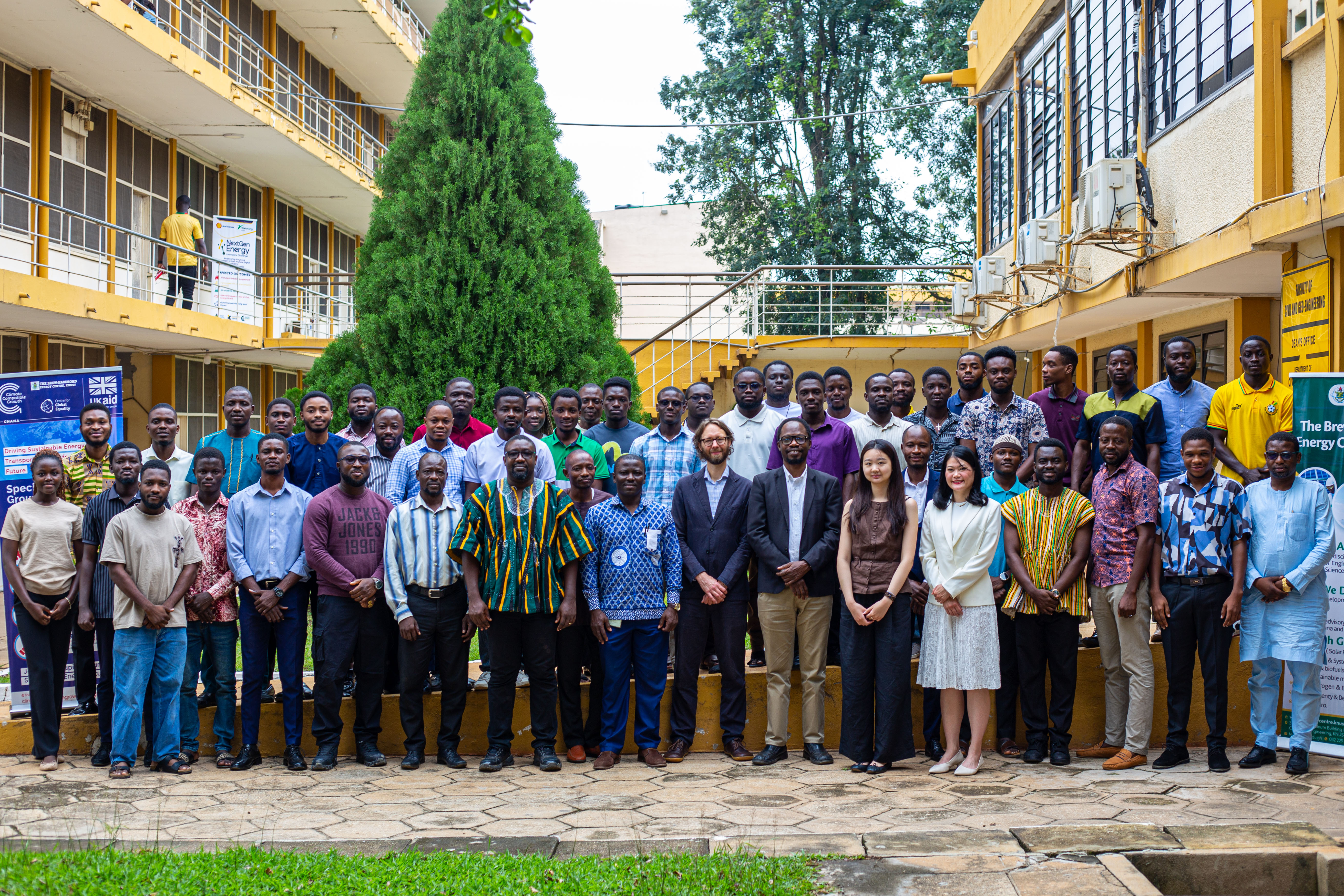
The Brew-Hammond Energy Centre (TBHEC) at the Kwame Nkrumah University of Science and Technology, Kumasi (KNUST), in collaboration with the Climate Compatible Growth (CCG) programme and Imperial Global Ghana, has hosted a two-day workshop to explore sustainable transport pathways and their implications for Ghana's energy future.
The workshop formed part of broader efforts to strengthen research collaboration between Ghanaian and international institutions in areas such as renewable energy, climate science, sustainable cities and transport electrification. It also provided a platform for participants to discuss emerging trends in electric mobility, renewable energy integration and sustainable transport planning.
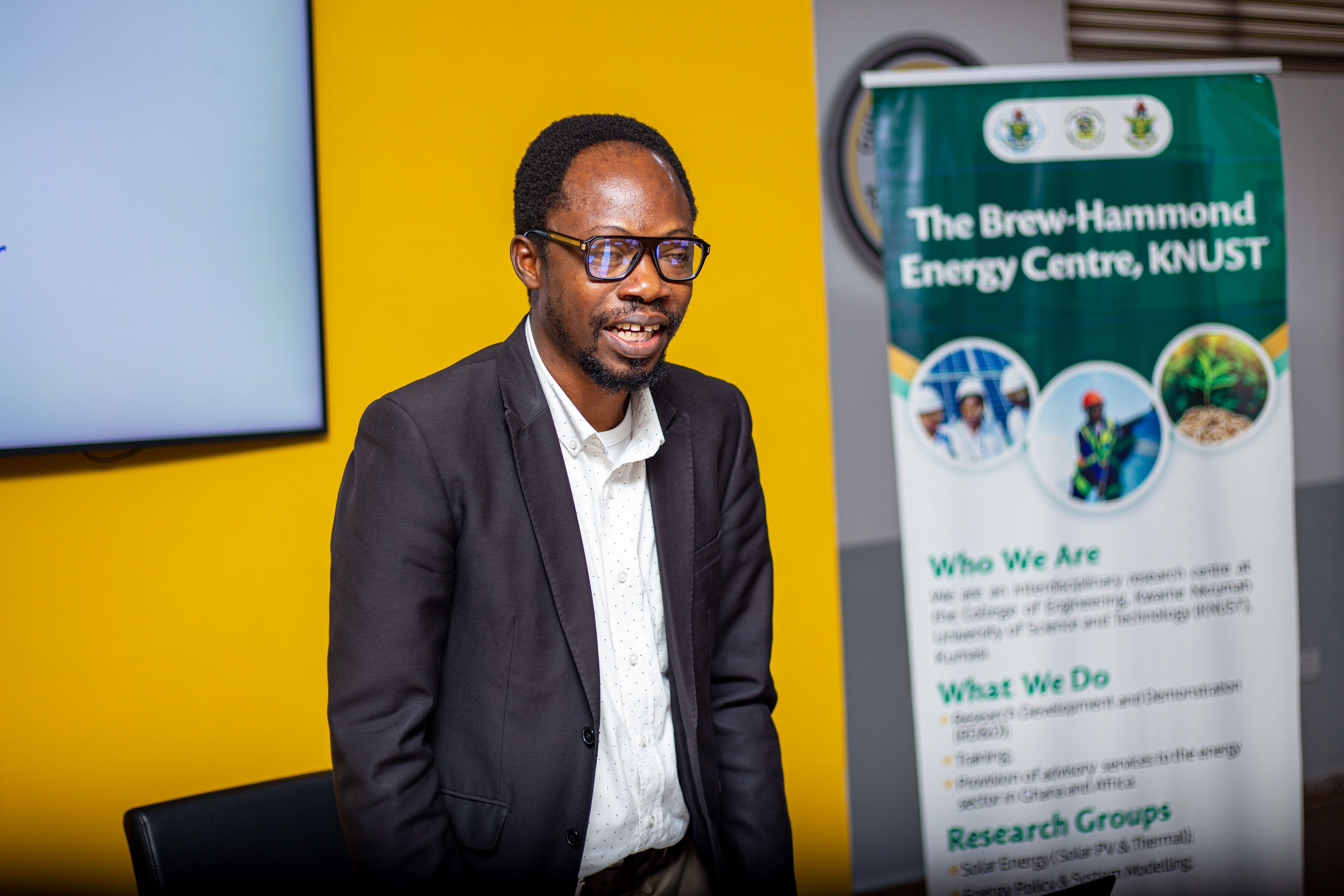
Director of TBHEC, Prof. David Ato Quansah, emphasized the growing importance of collaborative approaches in addressing complex energy challenges.
He noted that the rapid transformation of the global energy landscape requires expertise from multiple disciplines working together to develop sustainable solutions.
"The subject of energy requires that we move from our departments and come together. It is in recognition of the complex nature of this challenge that the Centre was established," he said.
Prof. Quansah highlighted TBHEC's longstanding partnership with the Climate Compatible Growth initiative, describing it as a fruitful collaboration that has contributed significantly to research, capacity building and policy support in Ghana's energy sector.
He further noted that Ghana's energy transition framework anticipates significant electrification of the transport sector, which will increase electricity demand and require careful planning of the country's future energy infrastructure.
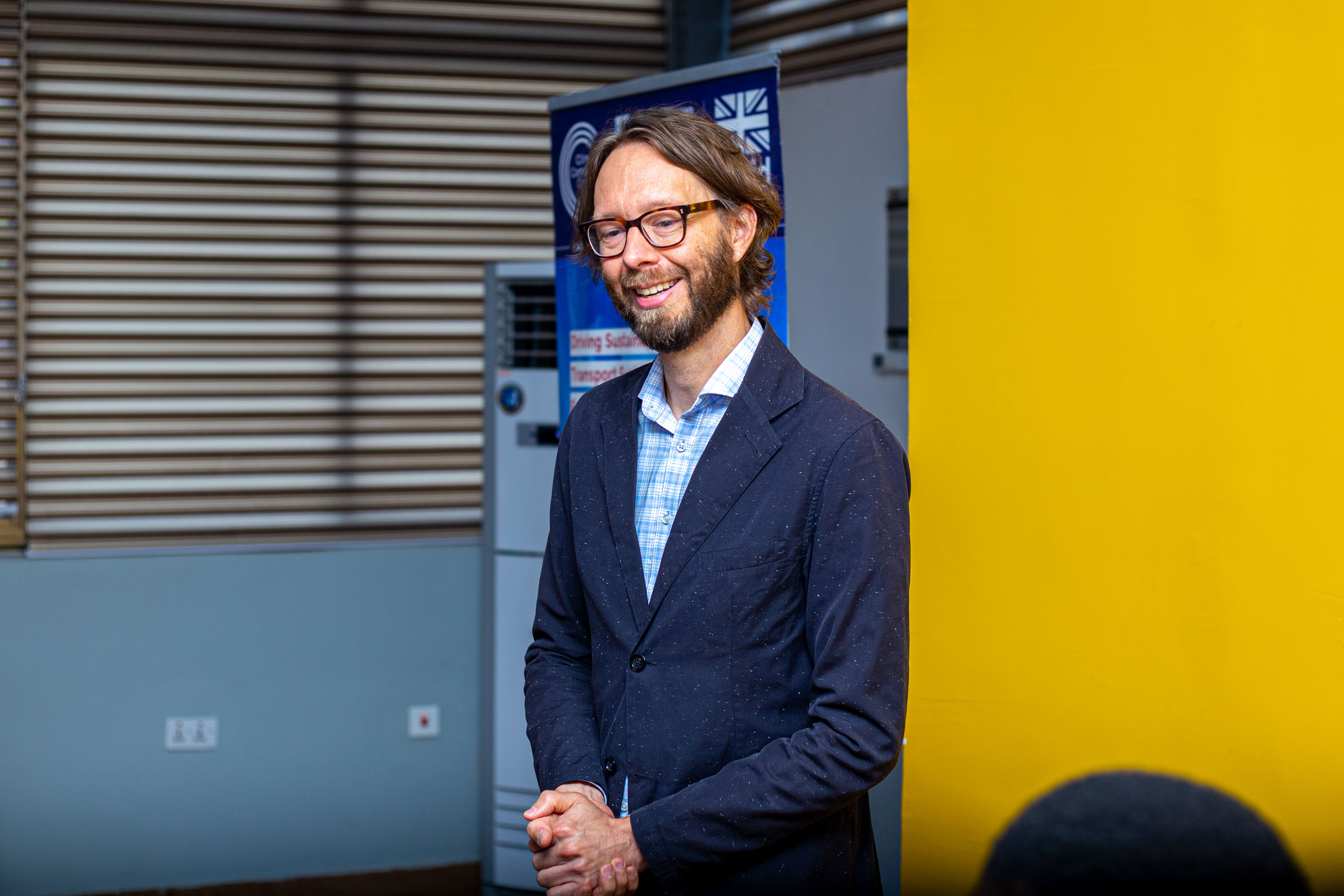
From Imperial College London, Dr. Koen van Dam highlighted the growing partnership between Imperial College and Ghana through Imperial Global Ghana and the Climate Compatible Growth programme.
He said the workshop forms part of efforts to deepen collaboration between researchers in Ghana and the United Kingdom while supporting knowledge exchange on sustainable transport and energy systems.
"Ghana is one of the prime focus areas for our programme, and we are committed to continuing and strengthening that engagement," he said.
The workshop featured presentations of ongoing research examining various aspects of sustainable transport and energy systems. Topics included the readiness of Ghana's electricity distribution networks for large-scale electric vehicle adoption, renewable energy deployment and its relationship with natural gas use, electric bus network design, battery recycling and remanufacturing, and the integration of transport electrification into regional energy planning.
One study presented at the workshop revealed that parts of Ghana's existing electricity distribution infrastructure could face significant stress under widespread EV adoption unless targeted upgrades and power quality improvements are implemented.
Another presentation explored how renewable energy expansion could influence Ghana's future dependence on natural gas, while researchers also discussed strategies for developing resilient electric bus systems and advancing circular economy approaches for electric vehicle batteries and components.
Participants engaged in discussions aimed at identifying research gaps, refining future studies and developing evidence-based policy recommendations to support Ghana's transition to a more sustainable and resilient transport and energy system.


